
Shingles
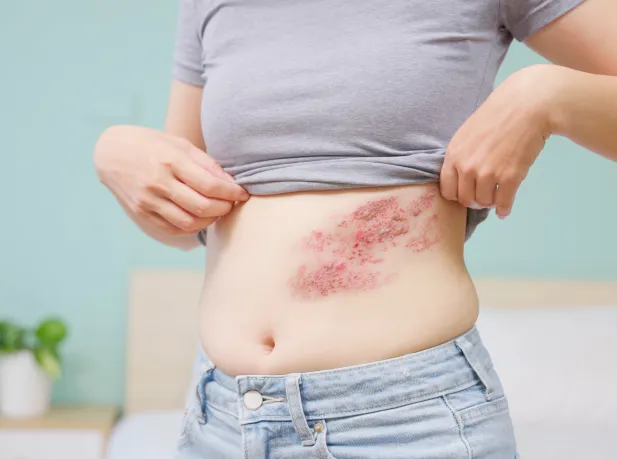
Shingles is also known as herpes zoster and is caused by the varicella-zoster virus. The first signs of shingles, usually a few days before a shingles rash appears, may be a headache, fever, muscle pain, and swollen lymph nodes. Shingles starts with itching, tingling, or a severe burning or stinging pain. After a few days, blisters appear in clusters on one side of the body. After 10 to 14 days, the blisters dry up and form scabs.
What are your chances of getting shingles?
The varicella-zoster virus causes chickenpox and most commonly affects young children. Ninety-five percent of people in the Netherlands have had chickenpox. After recovering from chickenpox, the virus remains dormant in the body. The virus can be reactivated later in life and cause shingles.
The varicella-zoster virus is a single virus that can make you ill twice. Shingles can only occur in people who have previously had chickenpox. The older you get, the greater the risk of developing shingles, as your immunity naturally wanes with age. In the Netherlands, one in four people develop shingles. About 50% of people who reach the age of 85 will experience shingles.
Symptoms of shingles
The red patches and blisters usually appear on one side of the body and often form a band-like pattern. It occurs most commonly on the neck, throat, face, and chest. Some people think that shingles forms like a band around your waist, but that isn’t always the case.
How long does shingles last and what can you do about it?
The shingles rash usually takes 10 to 14 days to heal, but it can also be more persistent. You may have a rash for several weeks or sometimes even for years. Treatment is not straightforward, but the good news is that shingles often clears up on its own, although you may experience some problems until it goes away.
Ointments and good hygiene
There are ointments available for itchy and irritated skin and in some cases an antiviral medication may be prescribed. Medication is prescribed in particular if the rash is on your face or if your immune system is weakened by a serious illness. Avoid touching the blisters as much as possible. Touching the blisters could infect others and cause chickenpox. Make sure you cover the blisters with a gauze pad. Wash your hands thoroughly after any contact with the fluid in the blisters.
Shingles vaccine
There is a vaccine that significantly reduces the risk of developing shingles. You can get the vaccine at Erasmus MC Travel Clinic. The vaccination consists of a series of two injections, with the second dose being given two to six months after the first dose. The shingles vaccine (Shingrix) is not included in the National Immunization Program, which means that you will have to pay for it yourself, unless it is covered by your health insurer.
Update February 2026: The Ministry of Health, Welfare and Sport has decided to provide the shingles vaccine to people when they turn 60. They will be eligible for the vaccine in the year they turn 60. It is still unclear when the free vaccine will become available for this age group, but it will not be before 2027.
Good to know
A vaccine is a preventative measure that prevents a disease from developing. The Shingrix vaccine therefore does not help if you already have shingles, nor can it protect you against any complications that have already arisen.
What complications can shingles cause?
Initially, shingles is mainly unpleasant. However, it can also lead to complications. The most common complication (5% to 30%) is nerve pain. This pain can persist for months or even years in some cases. The pain is usually described as a burning or tingling sensation, with hypersensitivity to touch, heat or cold. A shingles rash can also appear on your face. If blisters are visible on the tip or side of your nose, this is an indication that the virus has also reached your eye. In that case, you could experience a red eye, pain, swelling of the eye lid, a drooping eye lid, impaired vision, and sensitivity to light. In rare cases, this can lead to blindness. If you suspect that you have shingles in your eye, always see an ophthalmologist immediately.
Is shingles contagious?
The fluid in the shingles blisters is contagious to people who have not yet had chickenpox, and they may come down with chickenpox. The fluid in the blisters cannot cause shingles.